
Finding Hope Through Education, Connection and Compassion

For nearly two decades, Kelly Burnett has dedicated her career to supporting individuals living with Alzheimer's and other forms of dementia. What began as a job after college quickly became something much more, a lifelong passion rooted in compassion, education and the belief that no family should have to navigate dementia alone.
Since first working with people living with dementia in 2007, Burnett has witnessed firsthand both the heartbreak and the extraordinary resilience that define the Alzheimer's journey.
"Over the years, I've had the privilege of building relationships with countless individuals and families affected by Alzheimer's disease and other forms of dementia," Burnett said. "I've witnessed both the challenges and the incredible moments of connection, resilience and joy that can still exist throughout the journey."
Those experiences inspired Burnett to become an educator and advocate, helping families better understand dementia while providing practical tools and support to care partners.
"Today, my work is driven by a belief that no one should have to navigate dementia alone," she said.
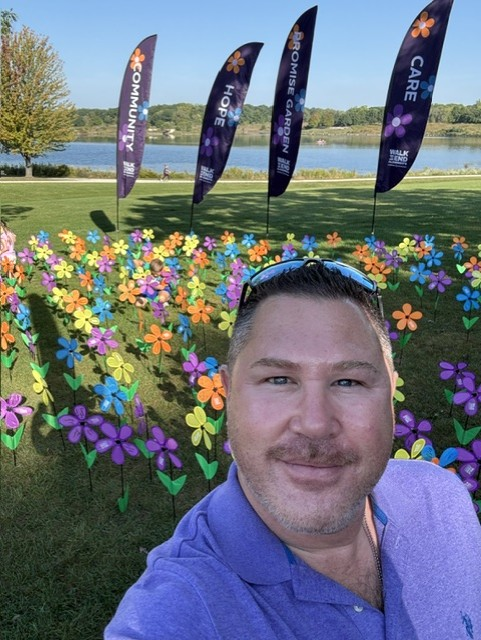
That same sense of community is what has kept Burnett involved with the Walk to End Alzheimer's since 2008. Every year, she watches thousands of families, friends and supporters gather with a shared purpose, whether honoring a loved one, remembering someone they've lost or standing beside those currently living with the disease.
"Every year, I am amazed by the number of people who come together to support a loved one, honor a family member or stand alongside others affected by this disease," Burnett said.
For her, the Walk represents much more than a fundraising event. It reminds families that support is always within reach.
"Alzheimer's doesn't just impact the person living with dementia, it affects everyone who loves and cares for them," she said. "With people often living eight to 10 years after an Alzheimer's diagnosis, families face a long journey filled with challenges, decisions and emotions. Events like the Walk help families realize they are not alone and connect them with resources from organizations like the Alzheimer's Association, which provides support, education and guidance 24 hours a day, seven days a week."
While Burnett has spent years helping families after a diagnosis, she is equally passionate about encouraging people to think about brain health long before symptoms appear. Research suggests that changes in the brain associated with Alzheimer's disease can begin decades before memory loss becomes noticeable. That's why, Burnett believes, conversations about prevention should start early.
"By adopting healthy habits and prioritizing brain wellness throughout life, we may be able to delay the onset of cognitive decline and improve overall quality of life," she said.
She points to growing research showing that brain health extends far beyond crossword puzzles or memory games. Staying socially connected, continuing to learn new skills and making healthy lifestyle choices can all play an important role.
"One of the most exciting findings from the U.S. POINTER Study is the powerful role that socialization and lifelong learning can play in supporting brain health," Burnett said. "Staying connected to others, learning new skills and engaging in meaningful activities appear to have significant benefits."
She also encourages people to explore the MIND Diet, noting that "even loosely following this brain-healthy approach to eating may have positive effects on cognitive health. Small, sustainable changes can make a meaningful difference over time."
Over the past decade, Burnett has also seen a significant shift in how people talk about Alzheimer's disease. Once surrounded by silence and stigma, conversations have become more open as families seek education, share their experiences and advocate for one another.
"A decade ago, the focus was primarily on brain games and mental stimulation," she said. "Today, we're talking about the importance of strength training, balance exercises, cardiovascular health, smoking cessation, quality sleep and other lifestyle factors that support overall brain health."
She credits organizations like the Alzheimer's Association for helping lead that change through educational programs and community outreach, while also recognizing the growing role social media has played in making dementia education more accessible and relatable.
Still, Burnett knows the emotional weight Alzheimer's places on families remains immense.
"Families often struggle with feelings of guilt, grief, frustration and anger," she said. "Financial concerns can add another layer of stress, especially when long-term care needs increase."
Even so, she remains optimistic. New programs that support care partners, expanding educational resources and increased awareness are all helping families feel less isolated throughout their journey.
Looking ahead, Burnett hopes progress won't be measured only by new treatments, but by ensuring every family has immediate access to education, support and resources following a diagnosis.
"Meaningful progress would mean that no family receives a diagnosis and then feels left to figure everything out on their own," she said.
She also hopes to see greater awareness that Alzheimer's isn't solely a disease of older adults. As more families face young-onset dementia, she believes support systems must evolve to reflect the unique challenges of balancing careers, raising children and managing financial responsibilities while navigating a diagnosis.
For those concerned about their own brain health, Burnett's advice is simple: don't wait.
"Start making changes today," she said. "Take a class at your local community college. Find a walking partner. Learn a new skill. Stay socially connected and physically active."
One of her favorite brain health tips is surprisingly simple.
"Try brushing your teeth with your non-dominant hand," she said. "It's a simple way to challenge your brain and break routine patterns. Small changes may seem insignificant, but they can help keep your brain engaged and adaptable."
Ultimately, Burnett hopes people leave with one important message: while no one can control every risk factor, everyone can take steps to support their brain health.
"I would remind them that the brain is an organ, just like the heart or lungs," she said. "The same healthy lifestyle choices that benefit our cardiovascular health, exercise, quality sleep, healthy eating, social engagement and avoiding smoking, can also support brain health. While we can't control every risk factor, there are meaningful steps we can take to care for our brains throughout our lives."
Through education, advocacy and community, Burnett continues to remind families that although Alzheimer's can be an overwhelming journey, no one has to face it alone. Learn more at alz.org or call the Alzheimer's Association 24/7 Helpline at 800.272.3900.




Comments